Welcome to Istria’s underground gold. In this guide I’ll take you through why truffles matter here, which kinds you’ll meet in the forests, how locals cook with them, and where to celebrate them during festival season. Expect practical tips, tasty ideas, and a few places and events to put in your calendar.
Why truffles matter in Istria — history, culture and identity
 Truffles are more than a luxury ingredient in Istria: they’re part of the region’s culinary identity and rural economy. Truffle hunting has long been a guarded tradition—hunters and their dogs patrol the Mirna Valley and the Motovun and Buzet hinterlands, often passing favorite spots down through families. The modern truffle scene grew notably after high-profile finds (including a record white truffle discovery that helped raise global attention), and today small businesses, museums and truffle restaurants have turned Istria into one of Europe’s must-visit truffle regions. Local tourism boards and truffle producers treat the fungus as both heritage and a seasonal gift — one that brings cooks, gourmets and curious travelers to the hills each autumn and winter.
Which truffles grow in Istria — where to find them and what they look like
Istria hosts several important species. The prized Istrian white truffle (Tuber magnatum pico)—the same species famed in nearby Italy—appears in autumn and winter and is celebrated for its powerful aroma. Dark truffles also grow in Istria: the summer truffle (Tuber aestivum) and various winter blacks (like Tuber brumale) appear at different seasons and have milder, earthier flavors. These truffles hide beneath leaf litter around oak, beech and hornbeam roots; trained dogs (often Lagotti Romagnoli) sniff them out because raking or digging indiscriminately is discouraged and usually illegal in protected areas. If you want to see truffle country, the Mirna River valley and the areas around Motovun, Livade and Buzet are the hotspots.
Istrian dishes with truffles — how they fit the local gastronomy
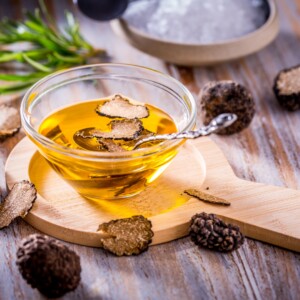
Truffles in Istria are used with a light, respectful hand: shaved or finely grated over simple bases so their aroma remains the star. Classic pairings include fuži (traditional Istrian ribbon pasta) with butter, a splash of stock and shaved truffle, polenta with truffle and cheese, scrambled eggs or omelettes studded with truffle shavings, and carpaccio or steak finished with a snow of truffle. You’ll also find truffle oils, but many chefs prefer fresh shavings because processed oils can mute the complex scent. Truffles blend perfectly with Istria’s other icons—prosciutto, aged sheep cheeses and good olive oil—creating dishes that feel rustic yet indulgent. For an authentic experience, try a simple fuži-with-truffle plate at a countryside konoba (tavern) or at specialist places like the truffle restaurants around Livade.
If you’re visiting the Opatija Riviera, you’ll find at least one truffle dish on the menu of almost every restaurant. Here are a few places in the area that are sure to feature truffle specialties.
Festivals and ways to taste truffles in Istria
Autumn is festival season. Livade hosts Zigante Truffle Days (and other truffle events) that combine markets, tastings and truffle-themed menus; Buzet runs truffle fairs and a long-standing “Truffle Days” program with tastings, markets and even giant truffle omelettes; Motovun and nearby towns also mark the white-truffle opening with ceremonies and food events. Beyond festivals, organized truffle-hunting outings (museum visits, demonstrations and tastings) are widely offered by local producers and tour operators—perfect for food lovers who want to learn how hunters and dogs work together and then taste truffle-forward cooking. If you plan a visit, check event dates in advance because many celebrations are seasonal and shift slightly year to year.
Istria’s truffle story is a delicious mix of deep-rooted tradition, seasonal ritual and modern gourmet celebration. Whether you hunt with a local guide, sit down to a simple pasta crowned with fresh shavings, or time your trip for festival weekend, the region rewards curiosity and a willingness to savor small, fragrant moments.


 by
by 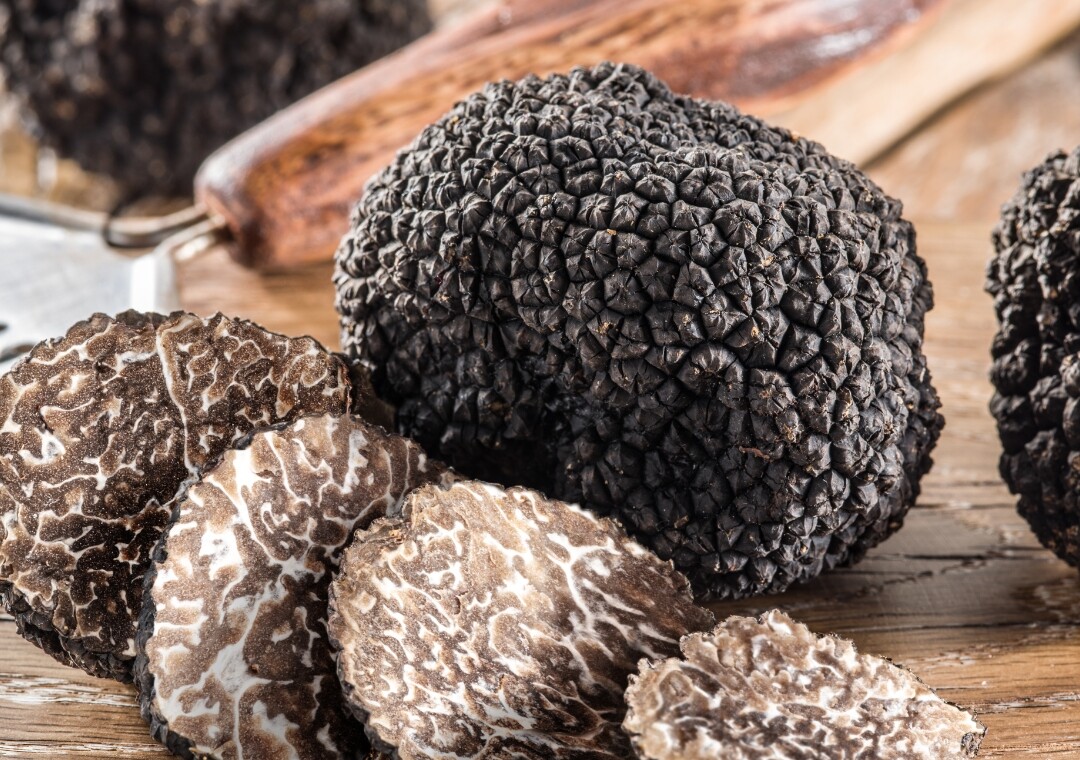
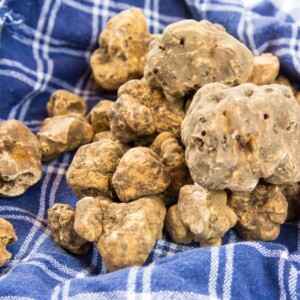
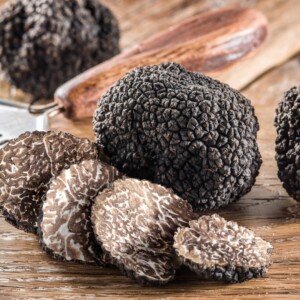 Istria hosts several important species. The prized Istrian white truffle (Tuber magnatum pico)—the same species famed in nearby Italy—appears in autumn and winter and is celebrated for its powerful aroma. Dark truffles also grow in Istria: the summer truffle (Tuber aestivum) and various winter blacks (like Tuber brumale) appear at different seasons and have milder, earthier flavors. These truffles hide beneath leaf litter around oak, beech and hornbeam roots; trained dogs (often Lagotti Romagnoli) sniff them out because raking or digging indiscriminately is discouraged and usually illegal in protected areas. If you want to see truffle country, the Mirna River valley and the areas around Motovun, Livade and Buzet are the hotspots.
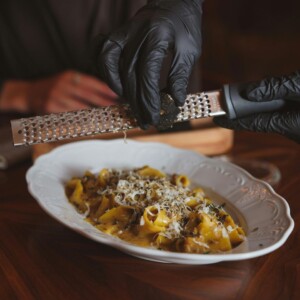 Truffles in Istria are used with a light, respectful hand: shaved or finely grated over simple bases so their aroma remains the star. Classic pairings include fuži (traditional Istrian ribbon pasta) with butter, a splash of stock and shaved truffle, polenta with truffle and cheese, scrambled eggs or omelettes studded with truffle shavings, and carpaccio or steak finished with a snow of truffle. You’ll also find truffle oils, but many chefs prefer fresh shavings because processed oils can mute the complex scent. Truffles blend perfectly with Istria’s other icons—prosciutto, aged sheep cheeses and good olive oil—creating dishes that feel rustic yet indulgent. For an authentic experience, try a simple fuži-with-truffle plate at a countryside konoba (tavern) or at specialist places like the truffle restaurants around Livade.
 Autumn is festival season. Livade hosts




Join The Discussion